 Kannaki Labs
Large models draw power at a scale that cannot follow intelligence to the edge, or stay on without a data center behind them.
Kannaki Labs
Intelligence that learns while it runs.
Ambition for the world.
Intelligence for humanity.
A world-changing ambition: solve the energy and water cost of intelligence, so machines can serve the world without draining it.
The difference
Conventional AI is powerful. It is also expensive to keep running.
Cooling those clusters is a growing strain on local water systems. Efficient compute is also efficient cooling.
Batch-trained networks pause the world to update. Biological systems learn online, with sparse activity, as data arrives.
The constraint
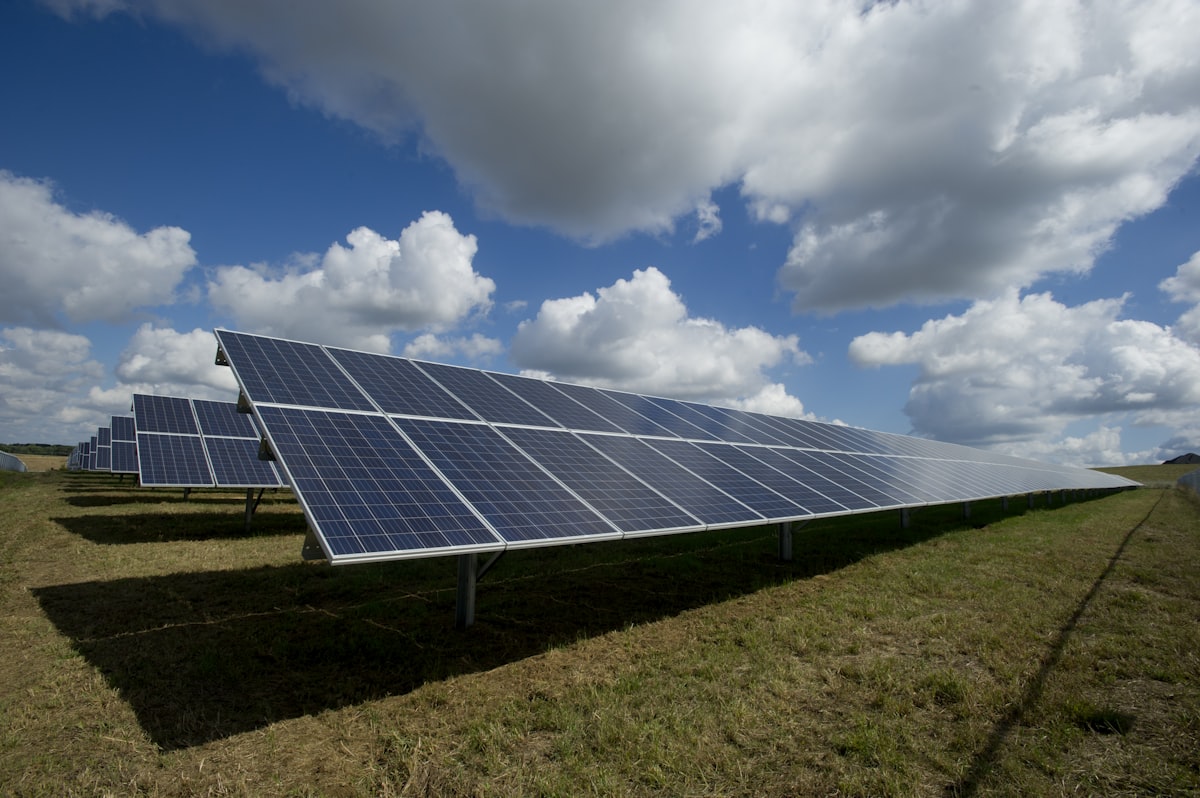
Intelligence should not cost a power plant.
Kannaki Labs exists to change the energy and water budget of machine intelligence, so learning can happen continuously, in the world, not only in a warehouse of GPUs.
The approach
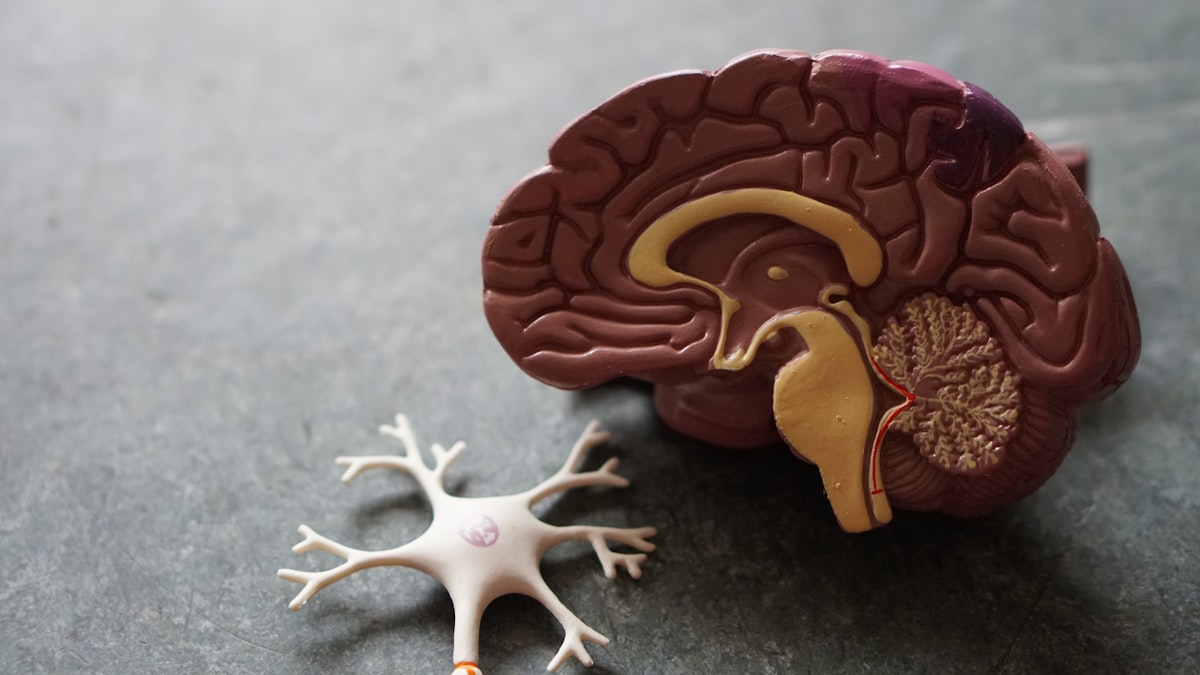
Biologically possible, not only biologically inspired.
We co-design the computational model and the silicon that runs it. The work sits in the lineage of neuromorphic systems, with a stricter requirement: both sides of the stack must remain biologically plausible.
- 01
Biological plausibility
Learning rules and dynamics that could exist in living neural tissue, not only abstractions that happen to work on GPUs.
- 02
Hardware and software together
The chip and the model are specified as one system, so neither is forced to emulate a mismatched substrate.
- 03
Online, real-time learning
Systems that adapt as data arrives. Continuous learning is a first-class requirement, not a later patch.
- 04
Energy and water as design limits
Sparse, event-driven computation as the path to lower electricity use, and with it, lower cooling demand.
Where it matters
Built for places intelligence has to be efficient.

Edge intelligence
Models that can live close to the world they observe, without a training cluster on the other end of the wire.

The field
Agriculture and environmental systems that need to act in real time, on a limited power budget.

Living systems
Work that starts from how nervous systems actually learn, then asks what hardware that implies.